Easily manage sidebars and widgets in Memberlite to customize your layout with custom sidebars, widget areas, and dynamic content options.
Default Widget Areas
Posts and Archives
Shown on the latest posts page (front page or as defined under Settings > Reading), category and tag archives, and single posts.
Pages
Shown on all pages.
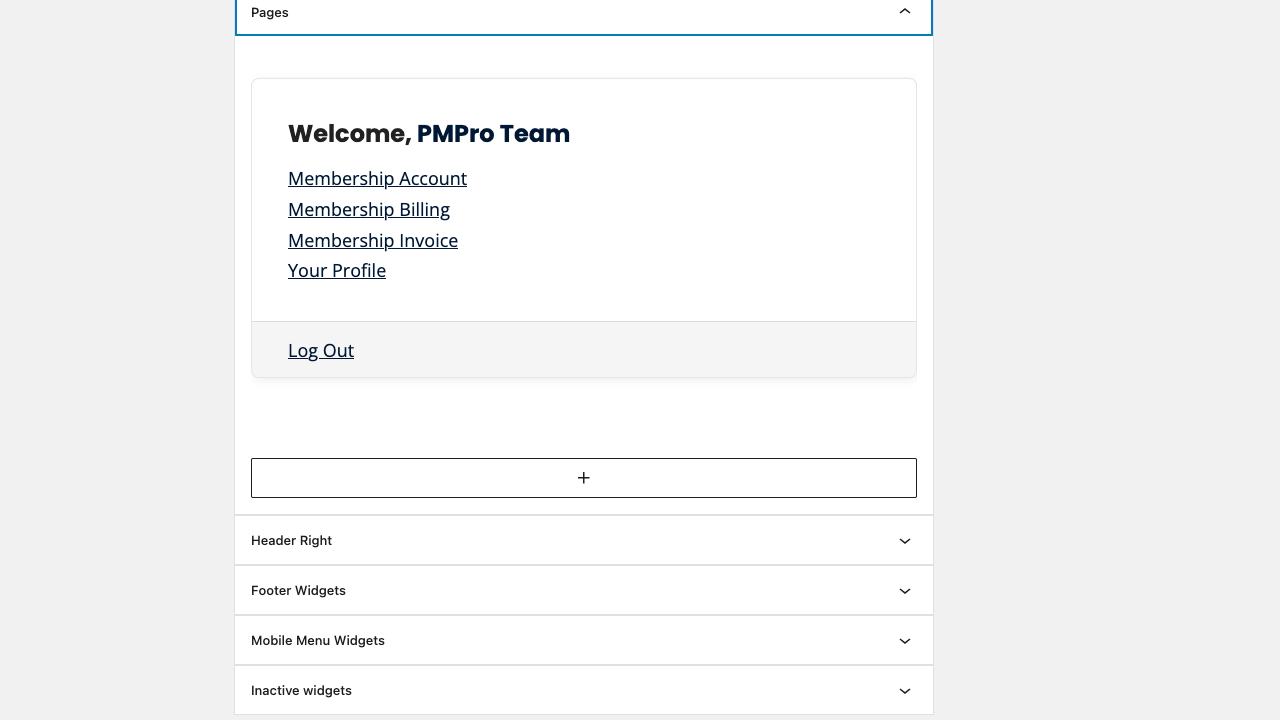
Header
Shown in the upper right area of the header. Navigation menus, social networking links, or search form widgets are recommended for this widget area.
Footer
Shown in Memberlite’s default footer. Each widget will fill a column; you can set the number of footer columns under Appearance > Customize > Footer.
When Sidebars and Widgets Do Not Appear
Sidebars and widgets rely on your Customizer layout settings. If a sidebar is not showing up on your site, check the following before troubleshooting your widgets.
Sidebar Location Is Set to “No Sidebar”
Both the Posts & Archives and Pages panels in the Customizer include a Sidebar Location setting. If this is set to “No Sidebar”, the sidebar is hidden entirely — even if you have widgets assigned to the Posts and Archives or Pages widget area. The main content expands to fill the full width instead.
To restore the sidebar, go to Appearance > Customize > Posts & Archives (or Pages) and set Sidebar Location to “Right Sidebar” or “Left Sidebar”.
Archive Layout Is Set to “Grid”
In the Posts & Archives panel, the Archive Layout setting includes an option called “Show Posts in a Grid (sidebar hidden)”. When this option is selected, the sidebar is hidden automatically on archive pages — regardless of whether you have widgets in the Posts and Archives widget area.
If you want both a grid layout and a sidebar, you will need to build a custom archive template with a child theme.
Footer Widgets Only Apply to the Default Footer
The Footer Widgets widget area only displays inside Memberlite’s default footer. If you have assigned a Footer Variation in the Customizer, the Footer Widgets area is not rendered on your site. To add content to a Footer Variation, edit it directly in the block editor at Memberlite > Footers.
Add a New Custom Sidebar
Memberlite lets you create custom sidebars beyond the default widget areas. You can assign custom sidebars to individual pages, posts, and custom post types detected on your site.
- Go to Memberlite > Custom Sidebars.
- Under Add New Sidebar, enter a name in the Sidebar Name field.
- Click Add Sidebar.
- The new sidebar now appears under Appearance > Widgets, where you can add widgets to it.
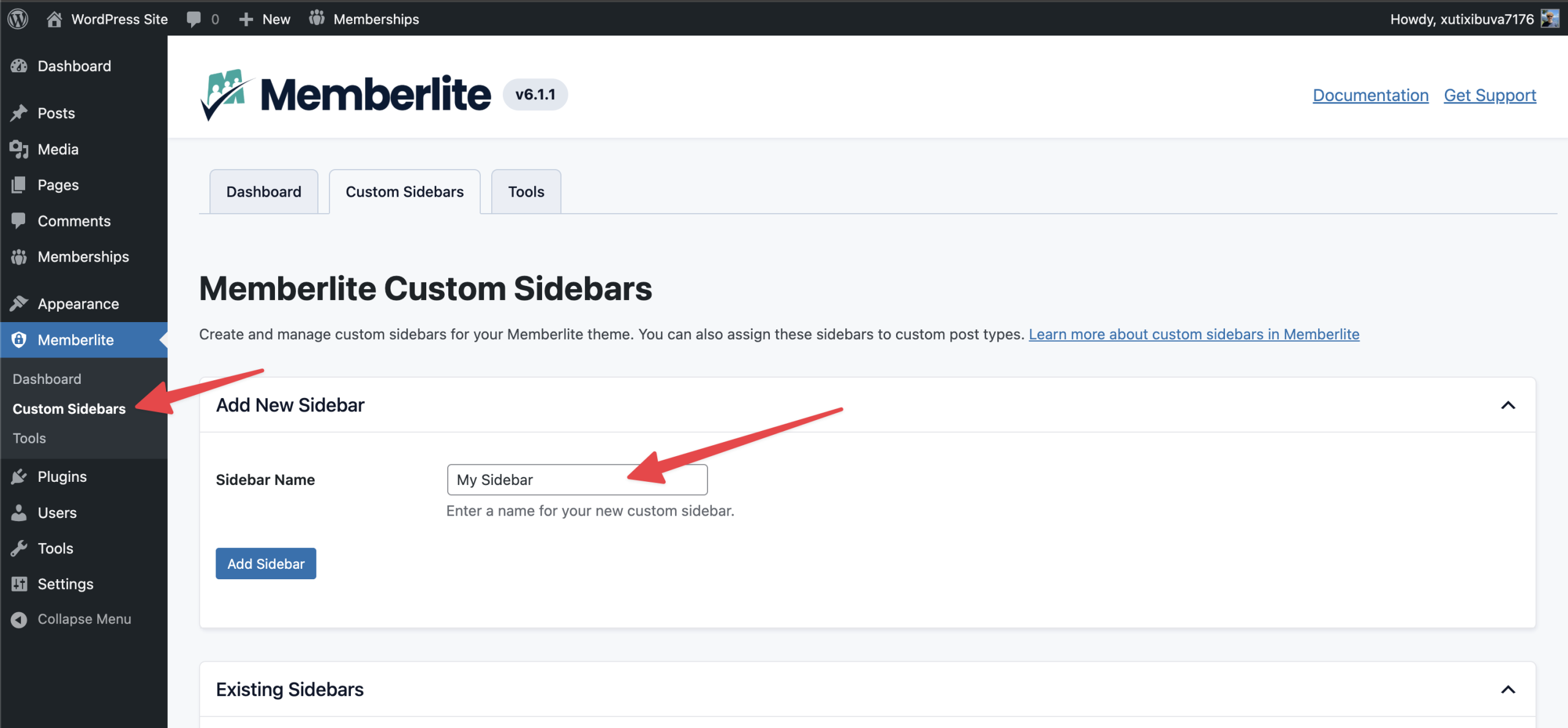
After creating a custom sidebar, you can assign it in three ways:
- Per page or post: Open the page or post in the editor, find the Custom Sidebar section in the right sidebar, and select your custom sidebar from the dropdown.
- Per custom post type: Go to Memberlite > Custom Sidebars and scroll to the Assign Sidebars to Custom Post Types section. Any custom post types detected on your site (such as Events, Products, or Forums) will appear here. Select the sidebar you want to display for each one.
- Per individual CPT item: If your plugin supports it, you can override the CPT-level sidebar on a single item. For example, with bbPress you can assign a custom sidebar to all “Forum” posts, then change it on a specific forum’s edit page.
Enable the Sidebar Option for Gutenberg
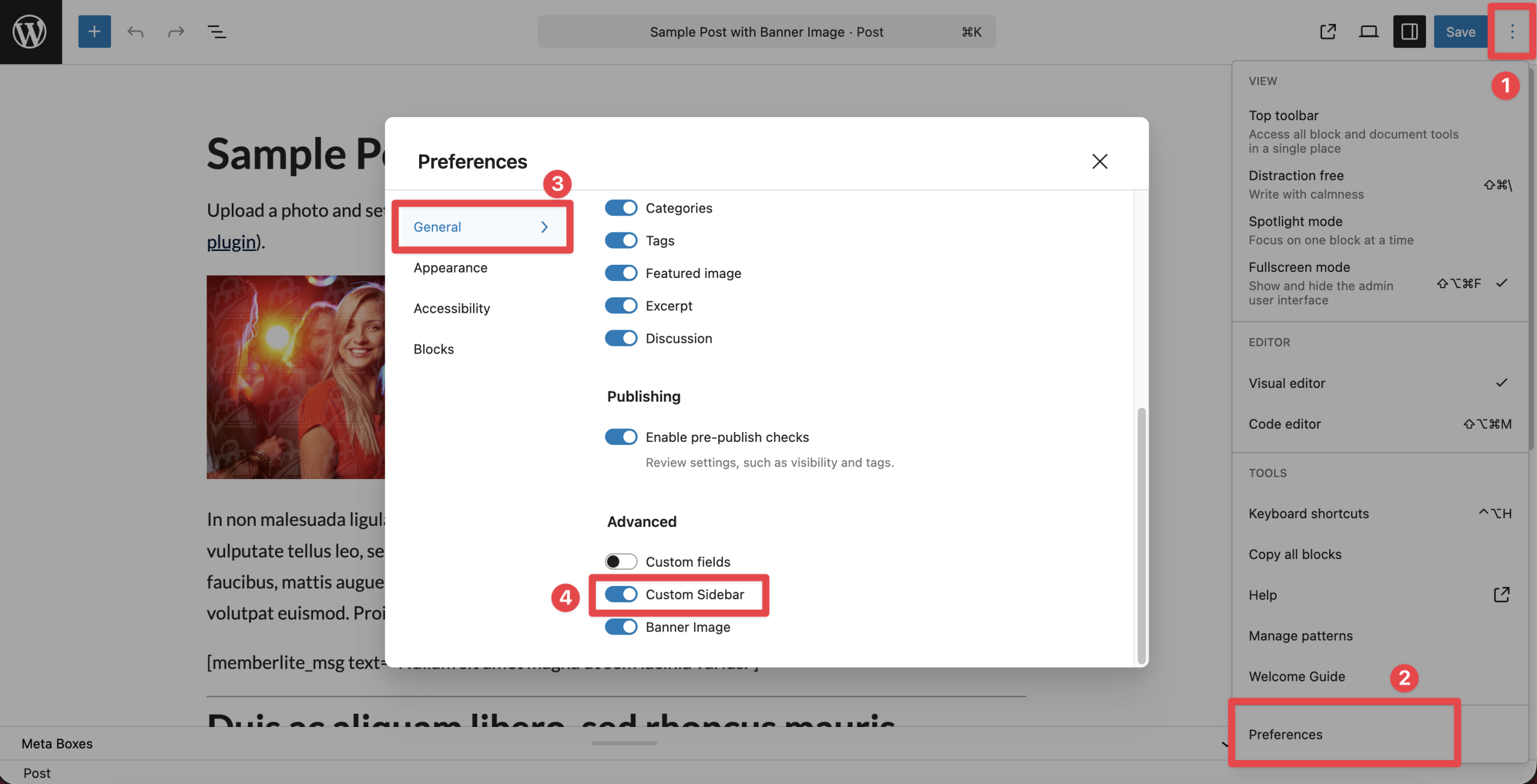
- Open the page or post editor and click on the three-dots menu icon in the top right corner.
- Select the “Preferences” option.
- In the Preferences modal, scroll down to the Advanced section, then click the “Custom Sidebar” toggle to enable it.
Update Default Sidebar Per Page/Post
Memberlite allows you to update the default sidebar behavior for a single page or post.
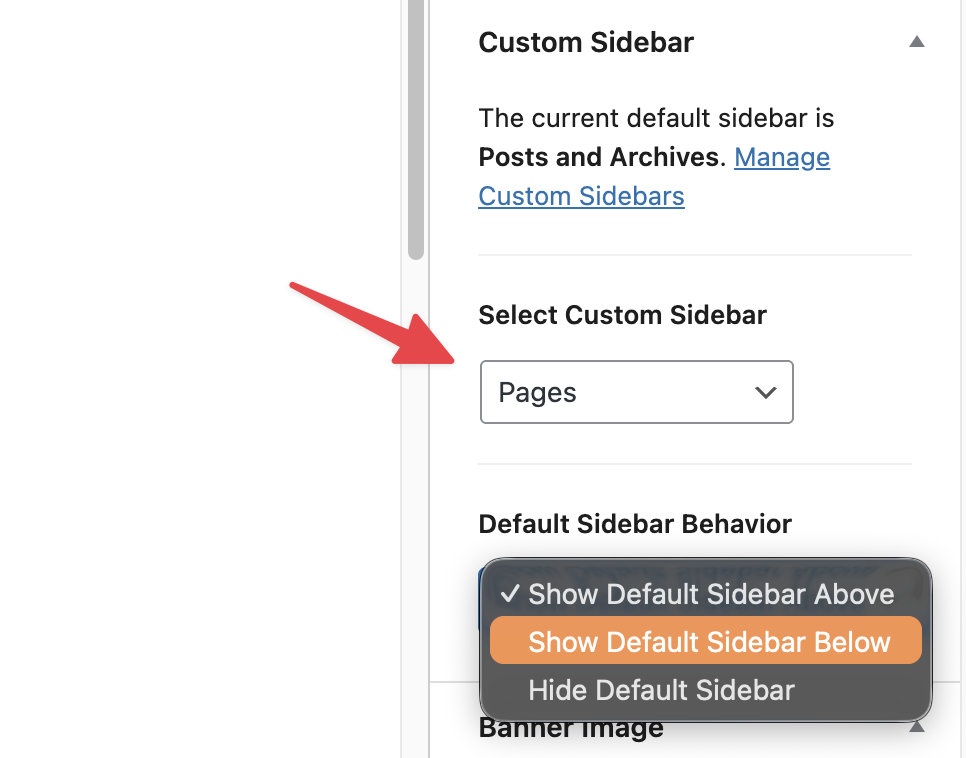
- To update the default sidebar display, select a page or post to edit.
- Locate the Custom Sidebar section in the right sidebar.
- Select a Custom Sidebar from the dropdown.
- Modify the default sidebar display in the dropdown Default Sidebar Behavior. Options include: Show Default Sidebar Above, Show Default Sidebar Below, or Hide Default Sidebar.
- Update the page or post to save settings.
Assign Custom Sidebars by CPT
If you are using a third-party plugin that adds a new custom post type (such as an events plugin or an ecommerce plugin), you can create and assign a unique custom sidebar at the CPT level.
- Navigate to Memberlite > Custom Sidebars.
- Scroll to the Assign Sidebars to Custom Post Types section.
- For each detected custom post type, select the sidebar you would like to display from the dropdown.
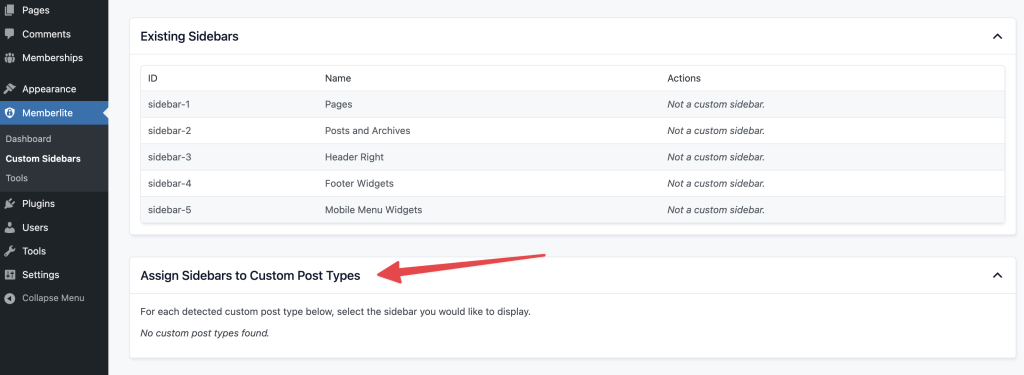
For example, the Events Manager plugin creates custom post types (CPTs) for Events and Locations. You can assign a custom sidebar and set unique widgets for its areas.
In most cases, you are setting a global sidebar override at the CPT level, but you can still change the custom sidebar at the single CPT level. For example, if you are using bbPress, you can assign a Custom Sidebar to all “Forum” CPTs, then change a single forum’s custom sidebar on the “Edit Forum” page. This may be true of other CPTs; it just depends on how your plugin displays the CPT publicly.
Hide/Show Pages Submenu
Pages display a menu of all child pages in the page’s ancestor hierarchy by default.
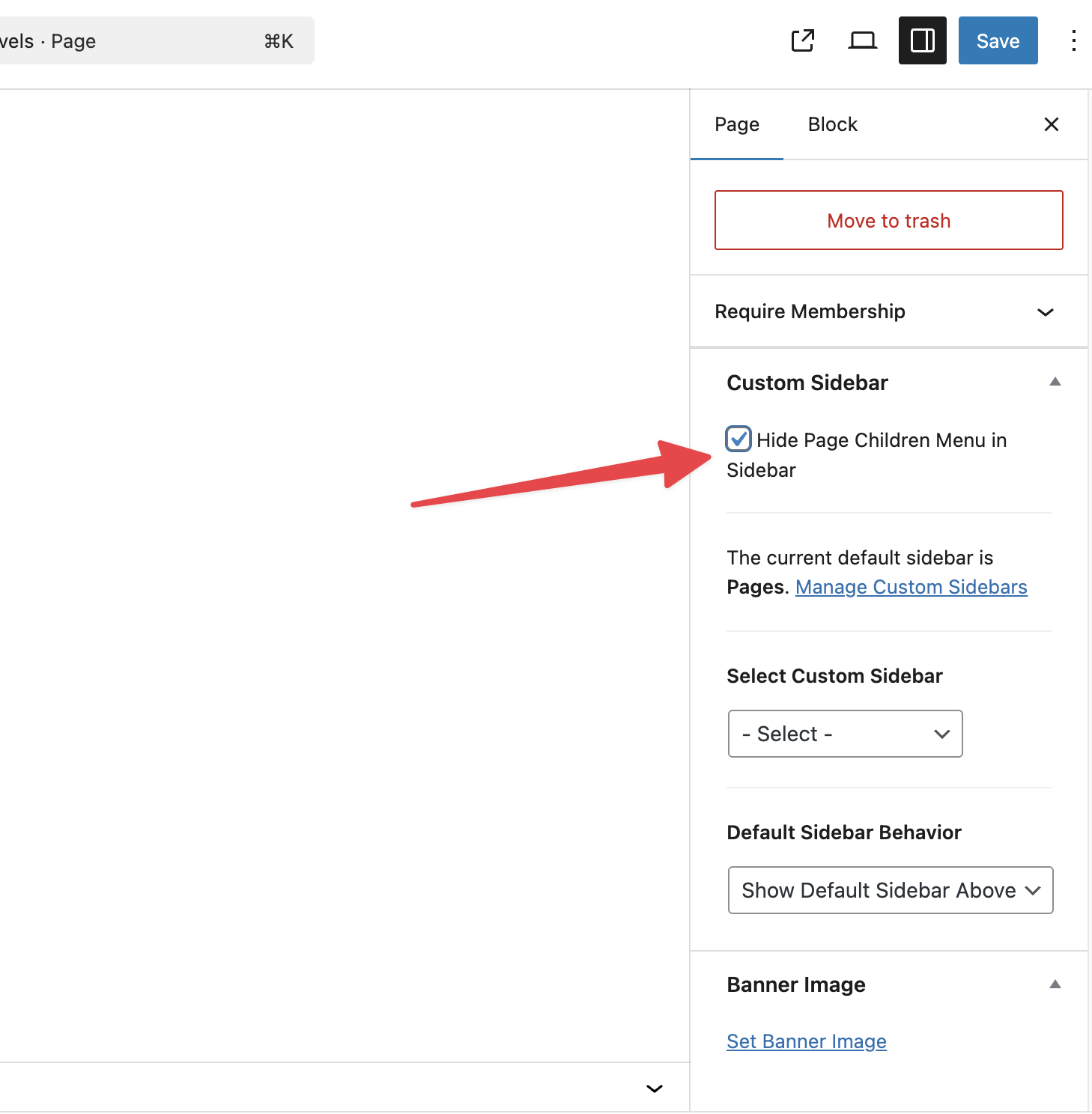
- To disable or enable this menu, select a page to edit.
- Locate the Custom Sidebar section in the right sidebar.
- Check or uncheck the “Hide Page Children Menu” in the Sidebar box.
- Update the page to save your changes.
Get Support From Our Team of Experts
Have a question about how to use this feature? Our Support Page outlines three ways to get support.
Our Max plans include hands-on help customizing your membership site and implementing new features. Upgrade to PMPro Max now »
Last updated on June 25, 2026